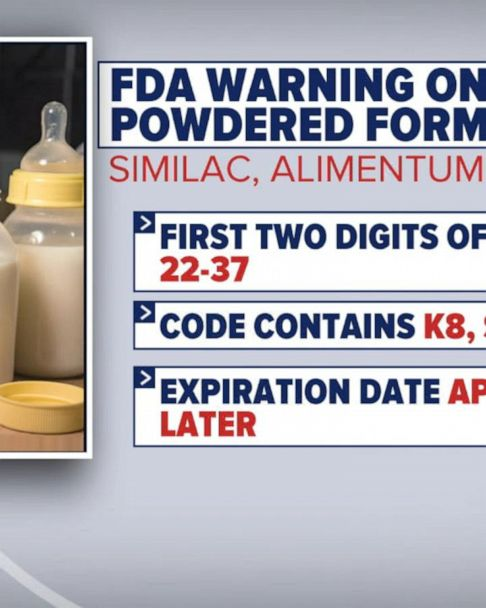
"The formula shortage is over." I've heard this sentence at least a dozen times in the last month. From my mother-in-law. From a mom at the park. From a news anchor who clearly doesn't have a baby. And every time I hear it, I want to laugh. Or cry. Maybe both at once.
Because I was at Target yesterday. The formula aisle. And the hypoallergenic section? Empty. Completely empty. Not a single can of the specialty formula that Lily needs because regular formula makes her break out in a rash that looks like a road map. I stood there for five minutes, just staring at the empty shelves, while a store employee walked by twice and pretended not to see me.
The data backs up what I'm seeing. Specialty formulas are still running 18-22% out of stock nationwide. Eighteen to twenty-two percent. That's not "over." That's not even "mostly resolved." That's "if you need a specific formula, you might spend your Saturday driving to four different stores and still come home empty-handed."
I've done that drive. More than once. Portland to Beaverton to Vancouver and back. Three hours in the car with a crying baby and a dwindling supply of hope. The last time, I found two cans at a pharmacy in Vancouver. Two cans. That's four days of food for Lily. Four days. I bought them and almost cried at the register.
People who say the shortage is over are usually talking about standard formulas. The big brands. The ones you see in every commercial. And yes, those are mostly back on shelves. But if your baby needs hypoallergenic, or amino acid-based, or premature formula? You're still living in shortage world. You're still checking store websites at midnight. You're still calling pharmacies to ask if they have any in the back. You're still rationing.
I started ordering European formula online last year when the shortage was at its worst. It's expensive — about $40 a can with shipping — and it takes two weeks to arrive. But it's been my insurance policy. My backup plan. My "I refuse to let my baby go hungry" fund. I know some people judge me for it. "Why not just breastfeed?" they ask, as if I haven't tried everything short of witchcraft to make my body produce enough milk. As if breastfeeding is free and easy for everyone. As if their judgment feeds my baby.
The shortage taught me something I wish I didn't have to learn. The baby formula supply chain in this country is fragile. One factory closure, one contamination issue, one shipping delay, and suddenly parents are scrambling. We don't talk about this enough. We pretend it's a solved problem because the news moved on. But the parents living it? We haven't moved on. We're still here, still checking shelves, still hoarding cans like doomsday preppers.
So no, the formula shortage is not over. Not for everyone. Not for the babies who need specialty formulas. Not for the parents who spend their weekends on a scavenger hunt for nutrition. And the next time someone tells you it is, maybe ask them when they last checked the hypoallergenic aisle.
I keep a spreadsheet now. I never thought I'd be a spreadsheet mom, but here we are. It tracks which stores have which formulas, their prices, their stock levels, and how many cans I have at home. I update it every Sunday night like I'm planning a military operation. Because in a way, I am. I'm planning how to keep my baby fed for another week, and that feels like a battle sometimes.
Last month, I found a Facebook group of parents who trade formula tips and stock alerts. It's been a lifeline. Someone posts "Costco in Tigard has Enfamil Nutramigen" and within an hour, five moms have confirmed it and shared photos of the shelf. It's community in the most primal sense — we're all just trying to keep our babies alive, and we'll drive across town to help each other do it.
But I shouldn't need a Facebook group to feed my baby. I shouldn't need a spreadsheet. I shouldn't need to order formula from Germany because my own country can't keep the shelves stocked. The shortage revealed cracks in our system that were always there, cracks that got papered over by convenience and ignored by policymakers who don't have babies at home.
— Emily
