🧪 Mixing Guide

Because "basically a scoop" is not a unit of measurement. Get exact ratios, temperature checks, and safety warnings before you mix.

1️⃣

How much water?

2️⃣

Scoops needed

3️⃣

Temperature check

🌡 Temperature Converter

Safe mixing temp: ~100°F (38°C). Too hot destroys nutrients.

⚠️ Common Mistakes

  • Using a tablespoon instead of the scoop (Mark did this for 3 weeks)
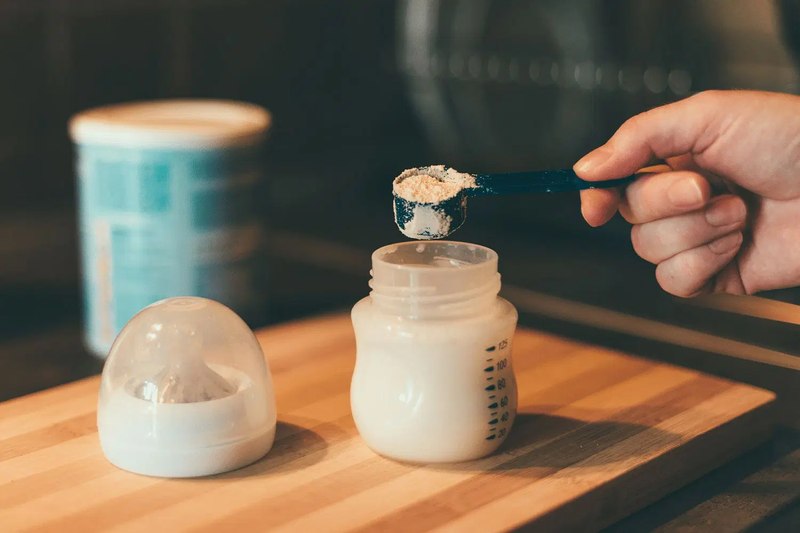
  • Heaping scoops — level off with the can edge
  • Water too hot — kills probiotics and vitamins
  • Not shaking enough — clumps cause inconsistent concentration
  • Adding powder first — always water first, then powder
  • Reusing mixed formula after 1 hour at room temp

Formula Mixing Ratio & Preparation Guide

📌 What It Does

This formula mixing guide eliminates the 3 AM math panic. Enter your water amount and scoop ratio, and get the exact number of scoops needed. It includes a temperature converter (Fahrenheit to Celsius) and a checklist of common mixing mistakes that can make your baby sick — like using a tablespoon instead of the scoop, which my husband did for three weeks before I caught him.

🔢 The Formula

The scoop-to-water ratio calculation is straightforward:

  • Standard (1:2): 1 scoop per 2 oz of water — most common
  • Concentrated (1:1): 1 scoop per 1 oz — for specific medical needs only
  • Diluted (1:3): 1 scoop per 3 oz — rarely used, consult pediatrician

A standard scoop holds approximately 8.7 grams of powder. A tablespoon holds ~15 grams. That's why "basically a scoop" is a dangerous assumption — you're giving 70% more powder than intended, which can cause constipation, dehydration, and kidney strain.

🌡 Temperature Safety

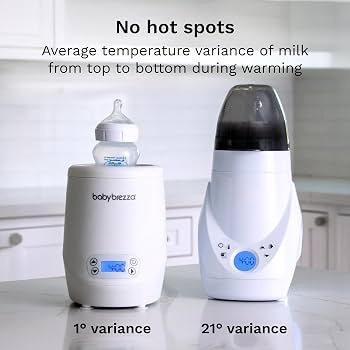
Safe formula preparation temperature is around 100°F (38°C). Water over 158°F (70°C) destroys heat-sensitive nutrients like vitamin C and probiotics. Water that's too cold won't dissolve the powder properly, leaving clumps that cause inconsistent concentration. The wrist test works — if it feels warm but not hot, it's usually safe.

Related: After mixing, log the feed in our Feeding Log. If you're switching brands, track reactions with the Allergy Tracker.

Related Reading

More Tools

🍼 Formula Calculator 📊 Feeding Log 🩺 Allergy Tracker 📈 Growth Chart 💰 Cost Calculator